
Homepage / Pivot 4: What If It’s Not All on You?
Pivot 4: What If It’s Not All on You?
Unleashing the Gifts of the Whole Body of Christ
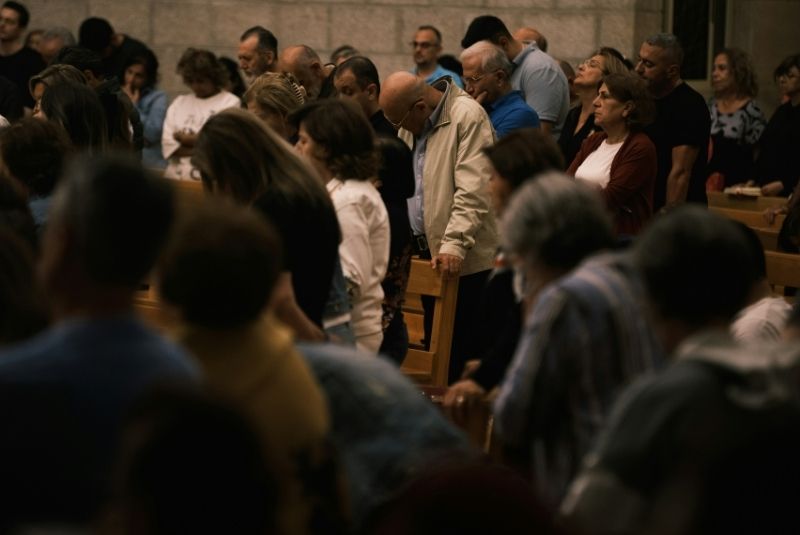
When the congregation needs vision, when programs need leadership, when crises need managing, when the community needs serving, the pastor thinks: “This is on me. I need to make this happen.”
Pastors stretch themselves thin. They lead worship, manage volunteers, oversee programs, provide pastoral care, handle administration, navigate conflict, cast vision, and somehow also model a healthy spiritual life. If the congregation is going to thrive, the pastor thinks they must do it all. Or at least orchestrate it all.
But one person can't carry the entire ministry of a community. No matter how gifted, educated, or committed that person is.
The pastor is trying to do work that God intended for the whole community.
This is Faith+Lead's Pivot in Leadership: From Clergy-Led/Lay-Supported to Lay-Led/Clergy-Supported Ministry.
FROM:
- Pastor as primary minister
- Laity as volunteers supporting pastor's vision
- Professional expertise as the qualification for ministry
- Pastor responsible for all spiritual care and leadership
- Members as consumers of religious services
TO:
- Pastor as equipper and coach
- Laity as primary ministers in daily life
- Baptismal identity as the qualification for ministry
- Shared leadership and mutual care
- Members as active disciples on mission
What’s Inside
How Equipping Differs from Delegating
Delegation hands people tasks. Equipping hands people a vocation. There's a real difference, and most of us have only been trained in the former. When we delegate, we're still the architect; we're just outsourcing the labor. When we equip, we're building the capacity of the whole body of Christ to discern, lead, and act. Equipping, it turns out, looks less like managing and more like coaching people into their own God-given authority.
What a Culture of Experimentation Looks Like
Most of us were never trained to experiment. We were trained to implement. But the leaders in this collection have learned that faithful innovation looks less like a strategic plan and more like a series of honest attempts, some of which won't work out. You'll read about congregations that have pivoted multiple times, not because they failed, but because they kept listening. None of what emerged was planned in advance. It grew from communities willing to try, notice, and adjust, and from leaders who had learned to tell the difference between a failed experiment and a failed church.
How to Support Risk-Taking
Risk-taking doesn't happen in a vacuum. People take holy risks when they know they have a soft place to land. This collection explores what it takes to build that kind of culture, one where people feel safe to experiment, fail, and try again because they trust the community around them. That means heart-holder relationships, shared spiritual practices, and leaders who protect people's dignity when things don't go as hoped. As one contributor puts it, the question isn't whether you'll fall doing ministry. It's whether you'll have companions who help pick you up, brush you off, and encourage you to keep going.
What This Ebook Offers
The five articles that follow explore this pivot from different angles. Theological foundations. Practical experiments. Personal practice. Global perspectives.
What to Expect


