
Confession – I am a creature of habit. I love walking well-worn paths, the familiar and predictable. Somehow I fell in love with a man who lives for innovation and change. Early in our relationship we saw something completely different yet complimentary in each other. Now nearing our second decade of marriage we’ve seen how these tensions in our preferences have made us better people and brought a richness to our lives and ministry together we wouldn’t have otherwise experienced. In the same way, when the rich traditions of the church are married together with the innovative energy of our day, beautiful joyful expressions of church can emerge.
My husband, JR, and I both became ordained priests in the Anglican Church in North America in our 40s and we now serve alongside one another as co-parents, co-planters and co-pastors of our church community, Common Life Church. Prior to that we spent our ministry energies in various churches and faith-based non-profits and higher education in Evangelical spaces.
I grew up in the heyday of evangelical culture in the American midwest. The Methodist church I grew up in was a blend of traditional hymns, acolytes, & altar cloths mixed with contemporary praise choruses and a youth group playing chubby bunny and rocking out with a full band.
As a young adult I felt a call to cross-cultural ministry and serving abroad for a year in a cultural and linguistic context very different from my own was a major step in separating the faith I proclaimed from the cultural forms that held it.
The longer I live (it’s my birthday today!) the more I agree with the teacher in the book of Ecclesiastes that there is “Nothing new under the sun. (Ecc. 1:9b)” At the same time, there is always a new audience hearing the gospel for the first time. The cultures where we minister are constantly changing in this fast-paced digital age. We are called to undertake a task given to all Christian leaders: Spirit-led translation and contextualization of the Gospel. I will always be grateful for those that made faith accessible to me as I first received it..
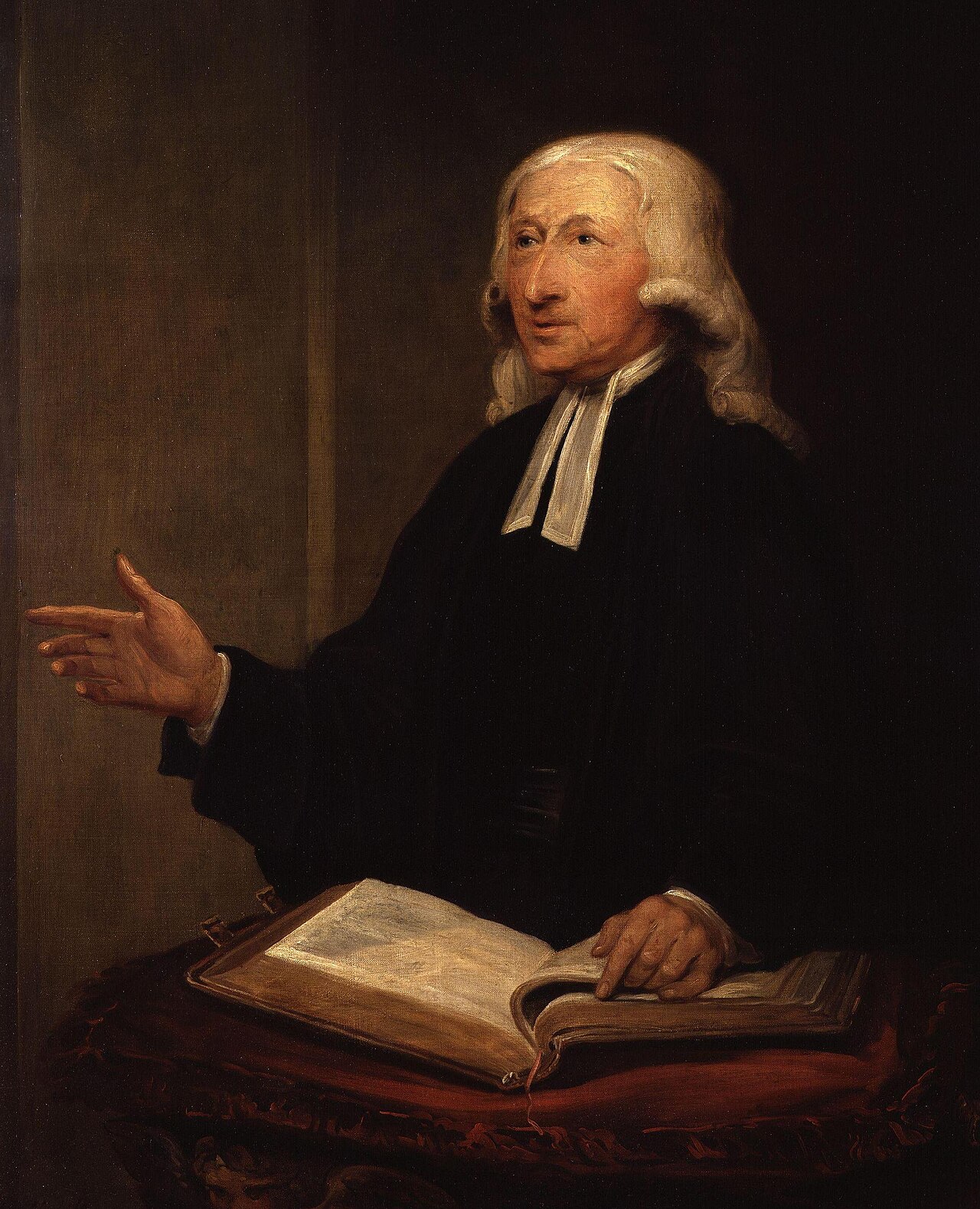
I grew up in a church and home where tradition has value. Much of my theological formation has happened in decidedly Wesleyan spaces and as a Wesleyan-tradition Anglican I still am influenced by the concept Wesley pioneered that has since been called the Wesleyan quadrilateral (the term was first coined by Methodist theologian Albert Outler)- The Wesleyan Quadrilateral emphasizes the primacy and authority of Scripture as understood through the light of tradition, reason and experience. Tradition is the gift of our shared history as the people of God. In the Christian tradition we find what has “worked” in the past. We mine these treasures, not because they are useful in a “cut & paste” kind of way but because they should inform our thinking. Admittedly, I tend to be somewhat risk-averse, so I am always happy to learn from the “mistakes” of others so that the mistakes I make will be my own.
How we incorporate the rituals and practices of our ancient faith in modern times will vary greatly based on context. Some of the most basic historic Chrstian practices: sabbath, solitude, silence – are particularly foreign to most expressions of contemporary culture. These countercultural practices are a great place to begin. Don’t be fooled by the simplicity of a practice. These practices are actually much harder to embrace than they seem but also they have the potential to produce rich fruit in our lives and communities.
Recently, I have been seeing a physical therapist for an injury related to living life in my body for a good number of years (as I mentioned earlier – birthday!). The home exercises I was given seemed too simple. It seemed impossible that they would make an impact on the pain I was experiencing. I felt like Namaan in 2 Kings 5 – almost ready to ignore the instructions. However, like Namaan, I choose to trust the process and I am now – after time – feeling the difference.
Adopting ancient practices or borrowing from the great traditions of the church will not produce instant results – in fact, it may seem at times that nothing is happening in those silent spaces (they seem so long when you are leading them!) or times of sabbath rest. That’s ok. Maybe that’s part of the work they’re meant to do in us. I had the great privilege a few years ago to visit the site in London and see the rooms where Thomas Cranmer penned much of The Book of Common Prayer in the mid-1500s.
Today the Book of Common Prayer has been revised and updated many times, has been translated into over 50 languages and has informed other prayer books in other church traditions. While this book is now a classic piece of church tradition, it was a radical and innovative resource when it was written. “Before the Book of Common Prayer, the Church of England’s prayers and worship were in Latin. The Book of Common Prayer changed all of that by giving English-speaking people everywhere prayers in their own language for the first time in history!” As I stood there, looking into the windows of Cranmer’s rooms, in my imagination I began to wonder what he might say to us if he were there. In my musings, he came to the window and looked at our group and admonished us to take up the baton in our generation. I imagined him challenging us not to get caught up in preserving his legacy but to truly honor it by doing the work of translation in our time for our people. I then thought back to the book of Hebrews and remembered that there is a great cloud of witnesses. In Hebrews 12:1 we are admonished to run the race marked out for us – not beholden to tradition but finding in it inspiration, encouragement, and deep roots from which to grow new shoots.
In the beginning I spoke of how my marriage is richer for the diversity of giftedness and perspective brought into it, but I would be amiss if I didn’t say that only love makes it work. We must never let our love of tradition or the contemporary make it an idol, but this work we set our hands to must be saturated in Trinitarian love. As authentic love to and from the Father flows through us, we find a deeper love for the great traditions of the church, the contemporary expressions of church and the people in the cultures we’re called to reach. When we put on and do this work in love, there is grace for playful, Spirit-filled experimentation.